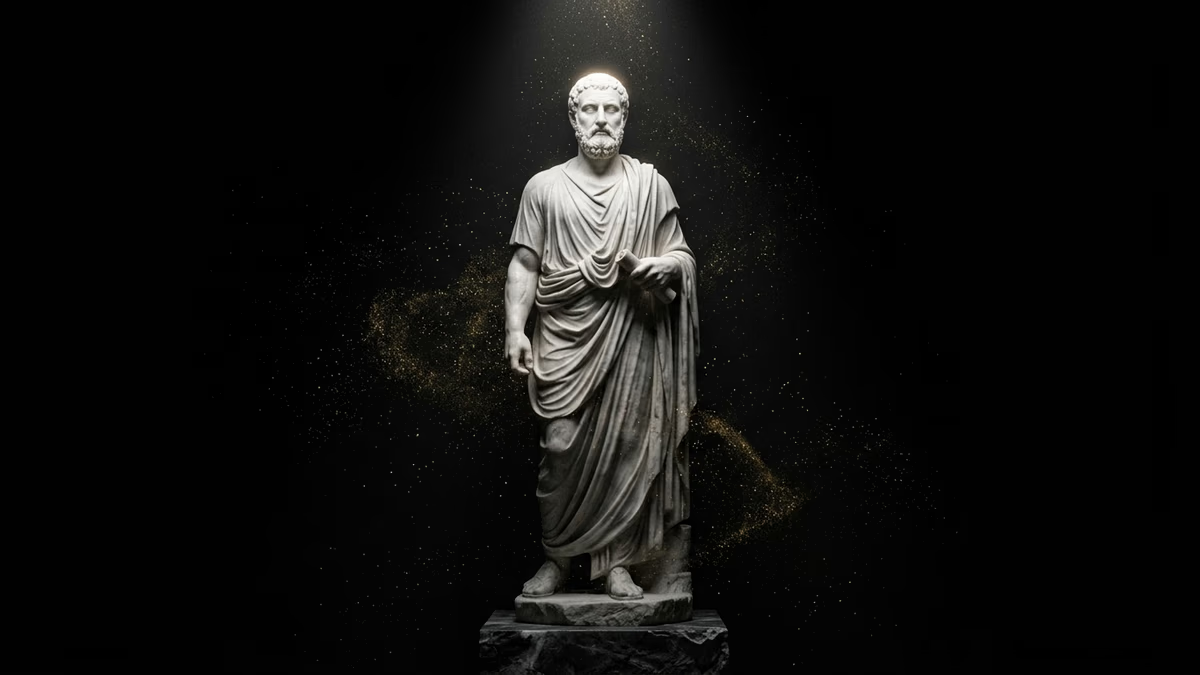
Willpower is not given. It is built.
Every high performer, from Stoic emperors to modern Olympic athletes, shares one trait: they stopped relying on motivation and built systems that made the right action automatic.
This protocol breaks discipline down into three trainable skills. Master each one in order. By the end, discipline will not feel like effort. It will feel like identity.

Module One
Build the Foundation
Before you can resist temptation, you need a structure that does the resisting for you. This module teaches the cue-routine-reward loop, if-then planning, and how to design a daily routine that runs on autopilot instead of willpower.
Key Concepts:
- ✦ The Cue-Routine-Reward Habit Loop
- ✦ If-Then Planning for Automatic Behavior
- ✦ Tracking Progress to Lock In Streaks
Module Two
Overcome Resistance
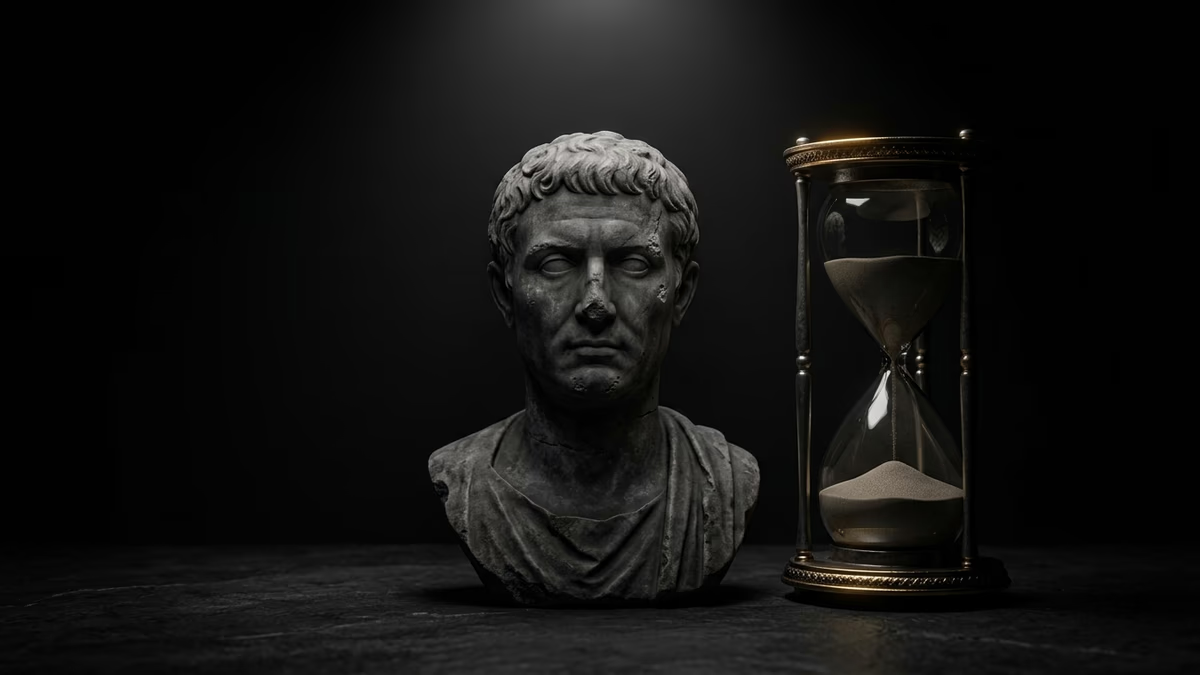
Procrastination is not a time management problem. It is an emotional regulation problem. This module gives you the psychology-backed tools to eliminate task avoidance, reduce friction in your environment, and start in under two minutes.
Key Concepts:
- ✦ Emotional Regulation and Task Avoidance
- ✦ Friction Reduction and Environment Design
- ✦ The 2-Minute Rule for Instant Action
Module Three
Command Your Will
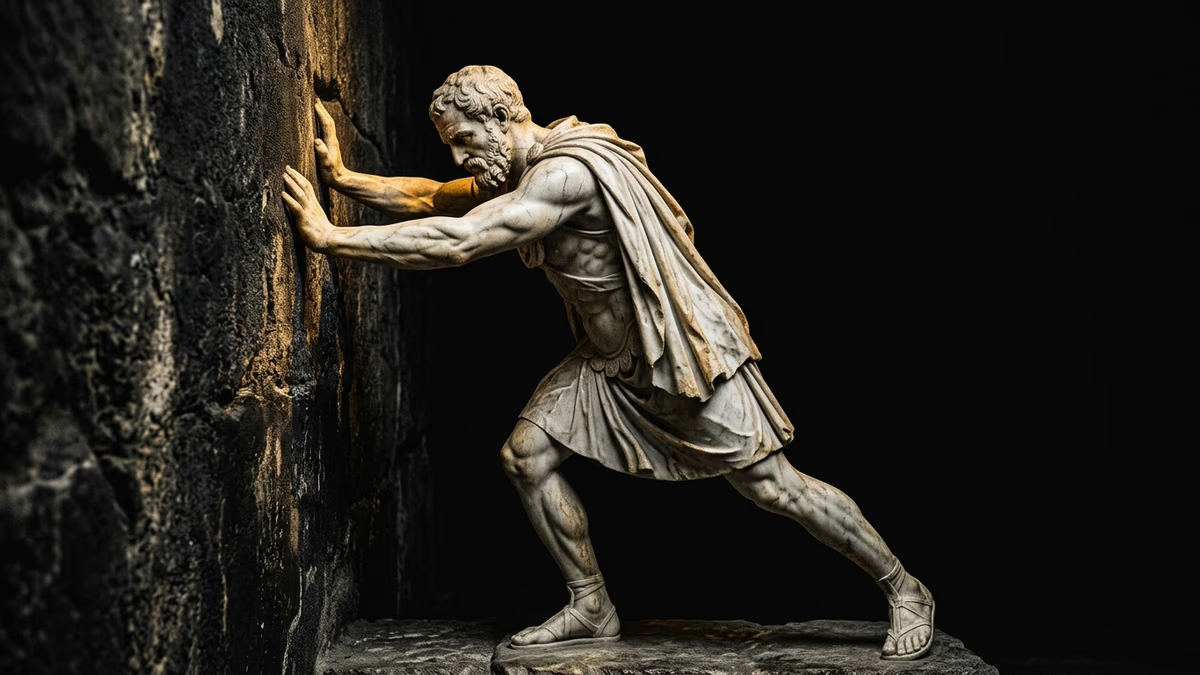
Habits carry you through normal days. But what about the hard ones? This module covers how to manage urges before they become decisions, use pre-commitment to lock in future behavior, and build an accountability system that holds you even when motivation disappears.
Key Concepts:
- ✦ The Urge-Action Cycle and How to Break It
- ✦ Urge Surfing: Observe Without Obeying
- ✦ Pre-Commitment and External Accountability
Executive Summary
The Protocol at a Glance
Design Your Environment
Remove friction from good habits. Add friction to bad ones. Your environment shapes your behavior more than your intentions do.
Start Before You Feel Ready
Motivation follows action, not the other way around. Use the 2-minute rule to start anything immediately.
Commit Before the Moment
Pre-commitment removes in-the-moment willpower from the equation. Decisions made in advance are almost always better.
"Waste no more time arguing about what a good person should be. Be one."
Marcus Aurelius
Begin Module 1 →