Stop obsessing over numbers. Making meals shouldn't require a food scale, a calculator, or a degree in mathematics. Instead, you need a system you can execute immediately: three times a day, every day.
The Hand Method is that protocol. Furthermore, it is the framework used by high-performers to eliminate decision fatigue when making meals. Your hands are portable, constant, and scale perfectly to your body.
This is how you master your intake.
Why Precision Fails
Precision kills consistency. Specifically, weighing chicken to the gram creates friction, and friction causes systems to collapse.
The Hand Method replaces scales with your own body. Additionally, research confirms the efficacy: solid protein evokes stronger hunger suppression than liquids, and hand-based measurements achieve high accuracy for structured foods.
The Architecture of Making Meals
To streamline the process of making meals, follow this engineering blueprint every time you step into the kitchen:
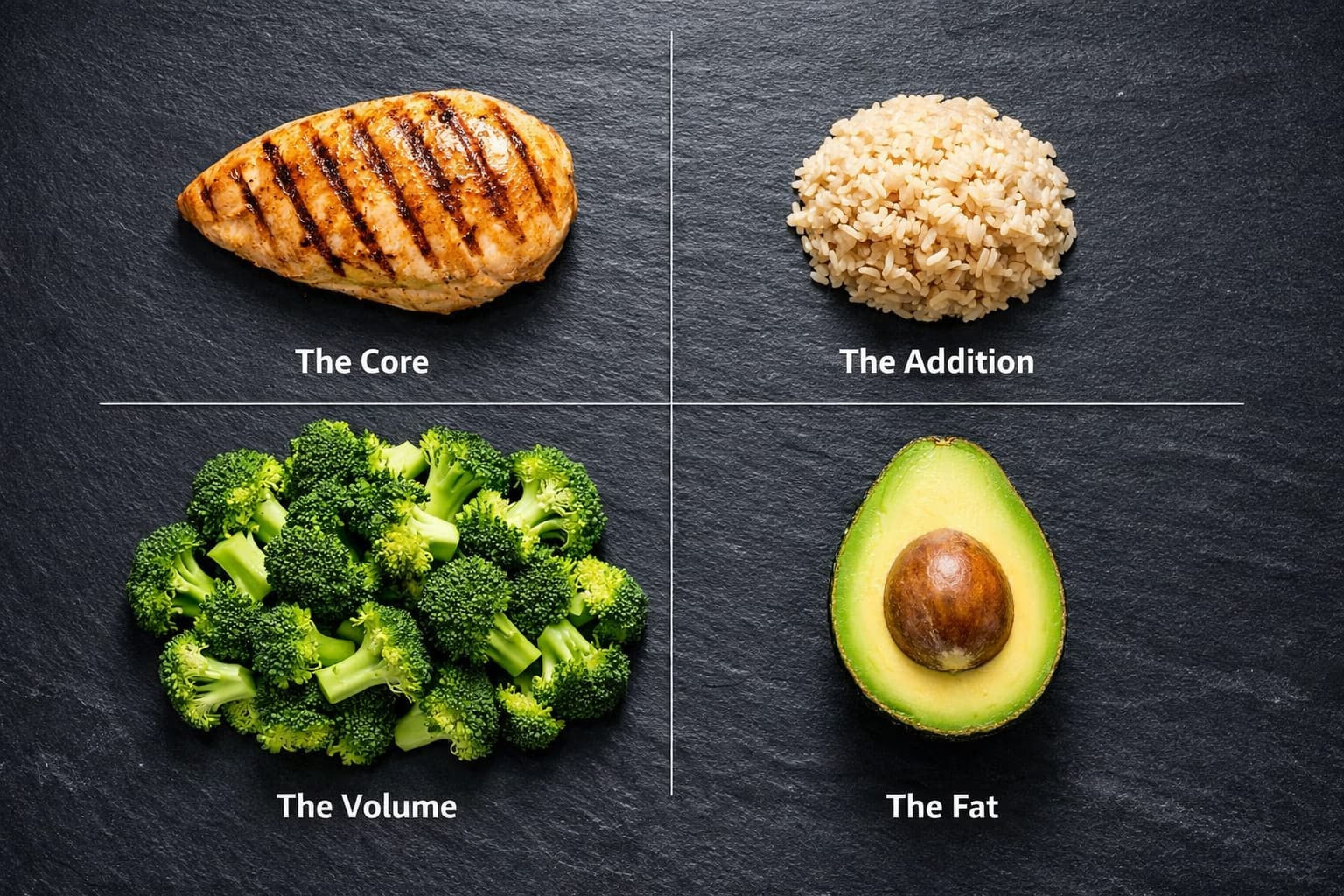
THE CORE (Non-Negotiable)
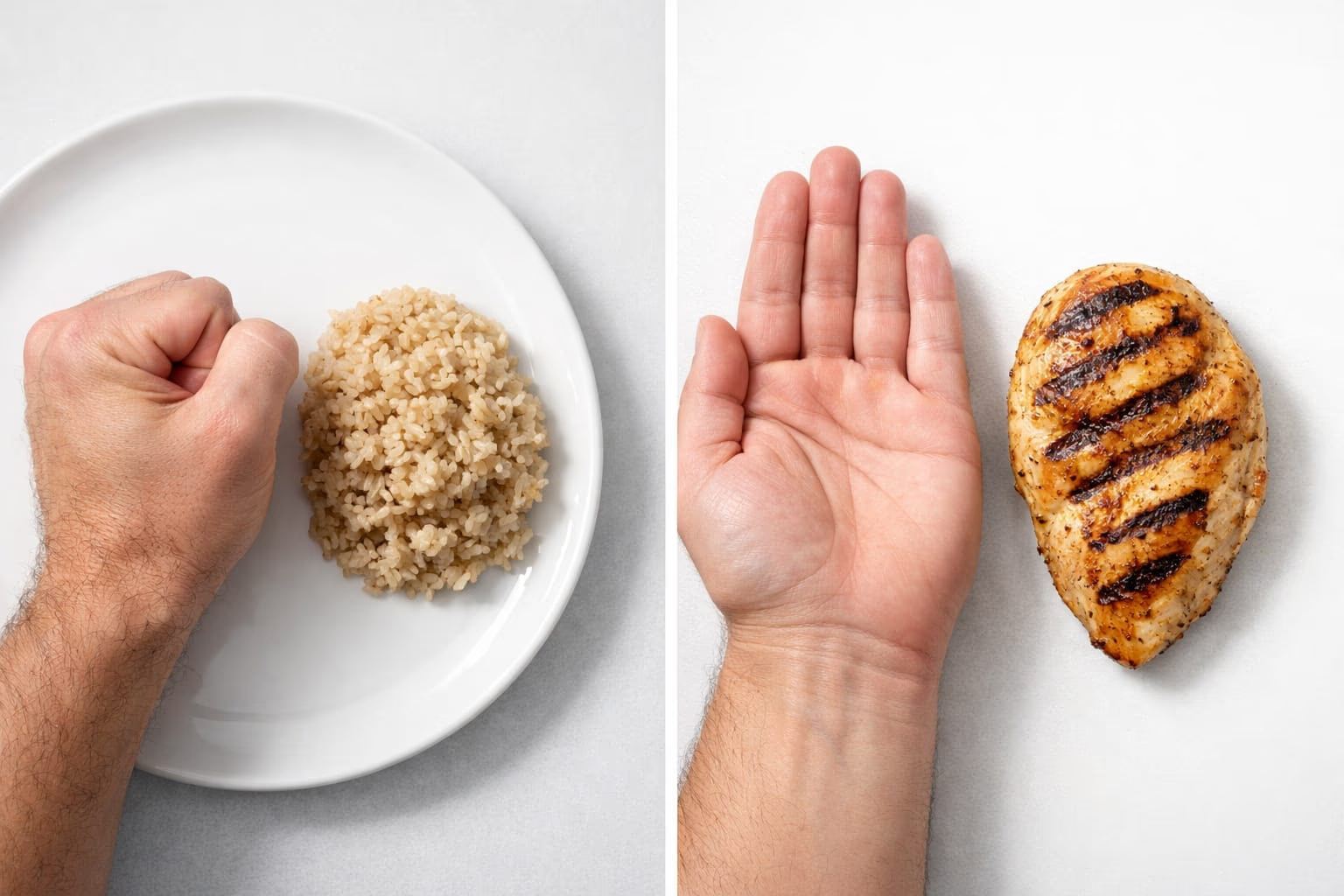
- 1 Palm: Lean protein
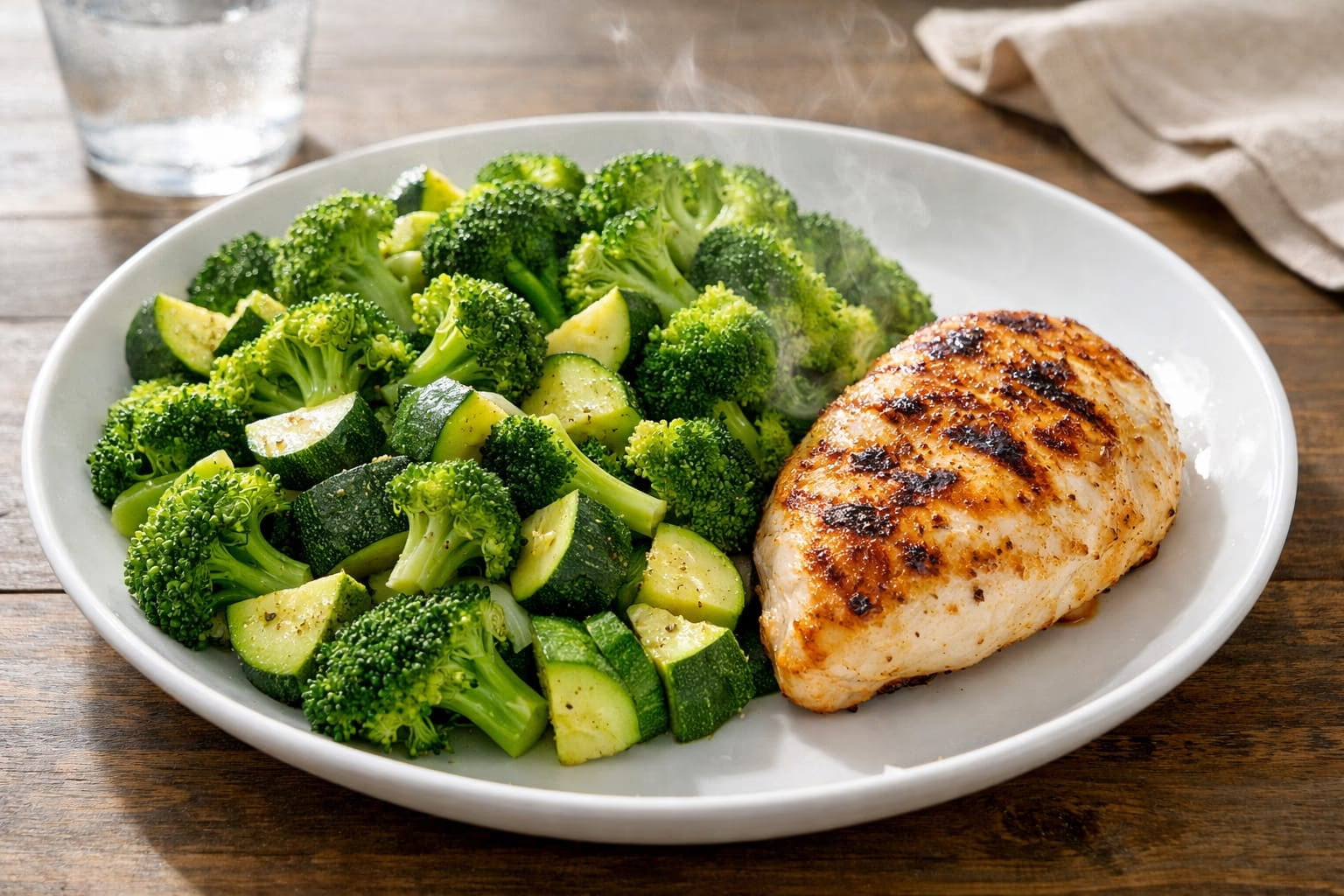
- 1-4 Fists: Vegetables (non-starchy)
THE ADDITIONS (Variable)
- 1 Fist: Whole grains or starchy vegetables
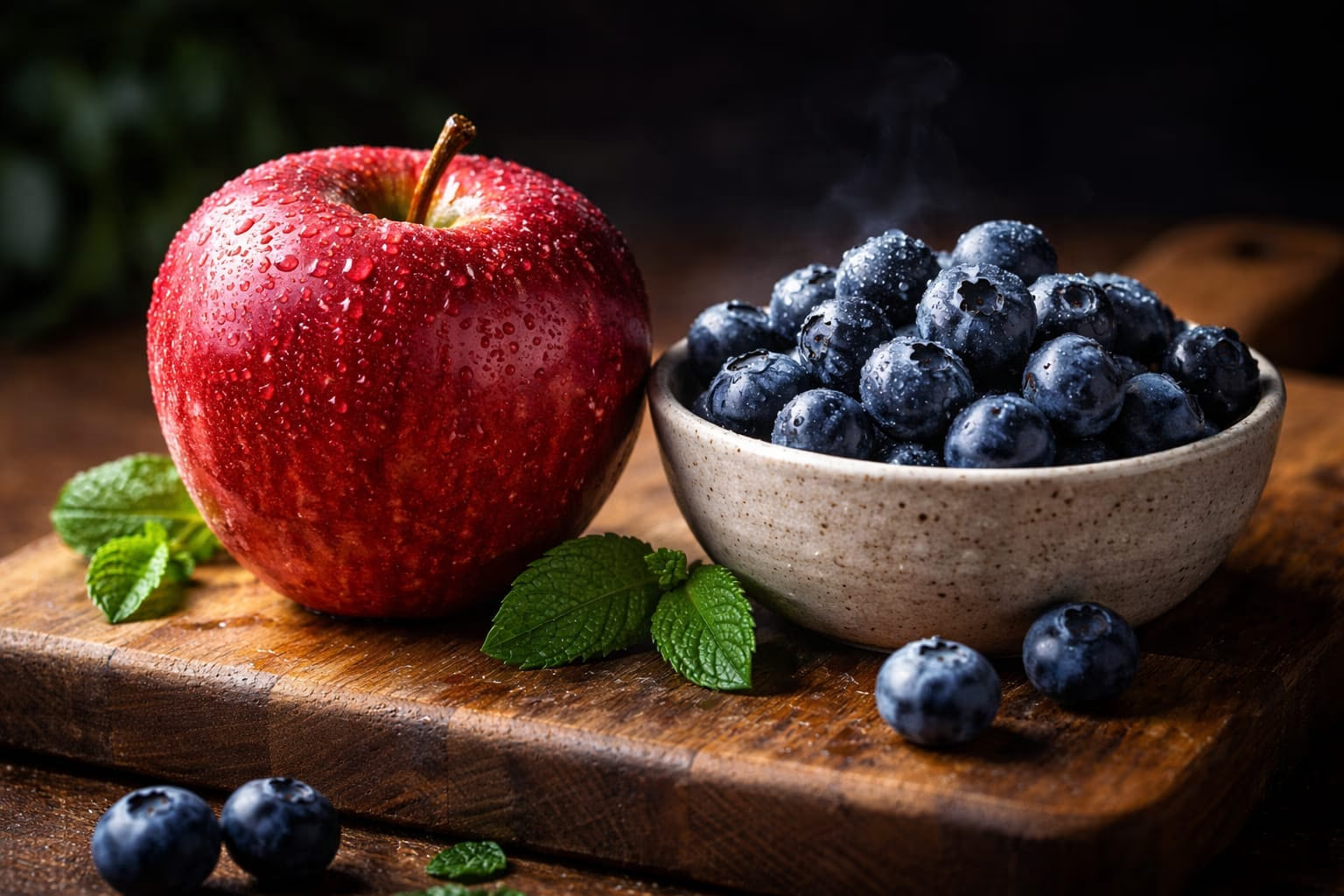
- 1 Fist: Whole fruit
- 1 Thumb: Healthy fats
THE ADJUSTMENTS (Data-Driven)
- Low Energy? Add 1 fist of carbs.
- High Hunger? Add 1 fist of veggies or 1 thumb of fat.
Pillar 1: The Core: Protein and Vegetables
Lean Protein (1 Palm)
Sources: Chicken, fish, eggs, lean beef, Greek yogurt.
Protein is mandatory when making meals. Moreover, it acts on three mechanisms simultaneously:
- Suppresses hunger: Activates strong satiety responses.
- Preserves muscle: Essential during caloric deficits.
- Supports recovery: Repairs tissue after cognitive or physical strain.
Vegetables (1–4 Fists)
Sources: Leafy greens, broccoli, peppers, zucchini.
Vegetables provide volume. For example, a fist of broccoli is just 55 calories but packed with nutrients. High-volume, low-calorie foods trigger fullness signals without wrecking your calorie budget.
The Rule: 1–4 fists depending on hunger. In other words, if you are ravenous, increase volume here, not calories.
Pillar 2: The Additions: Grains, Fruit, and Fats
Add these based on activity and preference.
Whole Grains (1 Fist)
Sources: Oats, quinoa, brown rice.
Whole grains provide sustained energy and fiber, keeping you full longer than refined options. Specifically, aim for 3g of fiber per serving.
- High output day? Keep the fist.
- Sedentary? Reduce or remove it accordingly.
Whole Fruit (1 Fist)
Sources: Apple, berries, orange.
Rule: Fresh, never blended.
Commercial smoothies spike glucose. In contrast, whole fruit has fiber and mass, slowing digestion and improving satiety. Blending destroys this advantage unless carefully controlled. Therefore, chew your fuel.
Healthy Fats (1 Thumb)
Sources: Olive oil, avocado, nuts.
Fats are calorie-dense (9 cals/gram). However, a thumb-sized portion delivers essential fatty acids and inflammation control without overeating. Consequently, stick to unsaturated sources like nuts and fish, and strictly avoid trans fats.
Pillar 3: Engineering Your Intake
Don't guess. Instead, adjust your strategy for making meals based on biological feedback.
1. Low Energy?
Add one fist of grains or tubers. Specifically, carbs are the solution to fatigue, fueling both brain and muscle.
2. High Hunger?
Add volume (veggies) or slow digestion (fat). Specifically, vegetables stretch the stomach, while fat extends satiety.
3. Low Carb Preference?
Remove the grain fist. Instead, replace it with an extra thumb of fat or fist of vegetables. Ultimately, the math remains balanced.
Pillar 4: The "Snack" Clause
Snacks are only efficient if overall calories are controlled.
Protein Bars & Shakes:
These are convenience tools. Specifically, look for >15g protein and <10g sugar. Furthermore, a homemade shake (milk + protein + fruit) often beats a processed bar.
The Real Rule: If you are in a calorie surplus, skip the snack. Instead, use them only to bridge genuine gaps.
Pillar 5: Order of Operations
Prioritize your execution hierarchy:
- Mostly Healthy (Core): Protein and vegetables are non-negotiable.
- Well Balanced (Additions): Manage energy with carbs and fats.
- Optimization: Only consider nutrient timing and supplements after mastering the first two.
The Lock In Protocol Mindset
You have the formula for making meals: 1 Palm, 1-4 Fists, 1 Fist, 1 Thumb.
This is not a diet; it is a protocol. Moreover, theory is useless without execution. Athletes and executives win because they use systems, not willpower. Specifically, they execute the protocol, adjust based on data, and compound small wins.
Lock In. Master the inputs. Own the output.
Key Takeaways
- Use your hands as measurement tools. They scale perfectly to your body size.
- The Core is mandatory: 1 palm protein + 1-4 fists vegetables every meal.
- Add based on activity: Whole grains, fruit, and fats fuel your performance.
- Adjust with data: Low energy? Add carbs. High hunger? Add volume.
- Execute the protocol consistently. Review results after 2 weeks and optimize.
Frequently Asked Questions
Yes. Consistency breeds success. Furthermore, you can rotate weekly or repeat daily. Do whatever ensures adherence.
The system auto-scales. Specifically, hand size correlates with body size and metabolic need. It is naturally proportional.
Audit your results after 2 weeks:
- Energy crashing? Add carbs.
- Weight stalling? Reduce portions slightly.
Ultimately, let data drive decisions.
No. The Hand Method naturally lands you at ~30% protein, 40% carbs, 30% fat. Therefore, this is sufficient for most health goals without the friction of tracking.
For advanced tracking, see our macro tracking guide.
- Solid protein evokes stronger hunger suppression than liquids (Obesity Journal)
- Accuracy of hand-based portion size estimation (PMC)
- Protein-induced satiation and satiety (ScienceDirect)
- Nutrient timing and muscle preservation (PMC)
- High-protein vegetables nutrient content (Women's Health)
- Volume eating and satiety (Kay Nutrition)
- Whole grains nutrition benefits (Rupa Health)
- Building balanced whole grain meals (Alibaba Wellness)
- Whole grains fiber content guide (Whole Grains Council)
- Blended fruit smoothies and glucose spikes (The Whole Health Practice)
- Whole fruit vs blended fruit glycemic response (PMC)
- Dietary fat calorie density (Mayo Clinic)
- Saturated, unsaturated, and trans fats explained (British Heart Foundation)
- Healthy fats in foods (American Heart Association)
- Healthy diet guidelines (World Health Organization)
- Carbohydrate timing for energy and performance (MacroFactor)
- Dietary fat and satiety mechanisms (PubMed)
- Hand portion guide and macro balance (Precision Nutrition)
- Protein bars vs meal replacements (Nupo)
- High-fat foods and health benefits (Healthline)
- Nutrient timing in performance and recovery (Hyperion Health)
- Hand size and proportional portioning (PMC)
- How to estimate portion sizes with your hand (Kay Nutrition)
- High-volume, low-calorie foods for satiety (Rumen)